

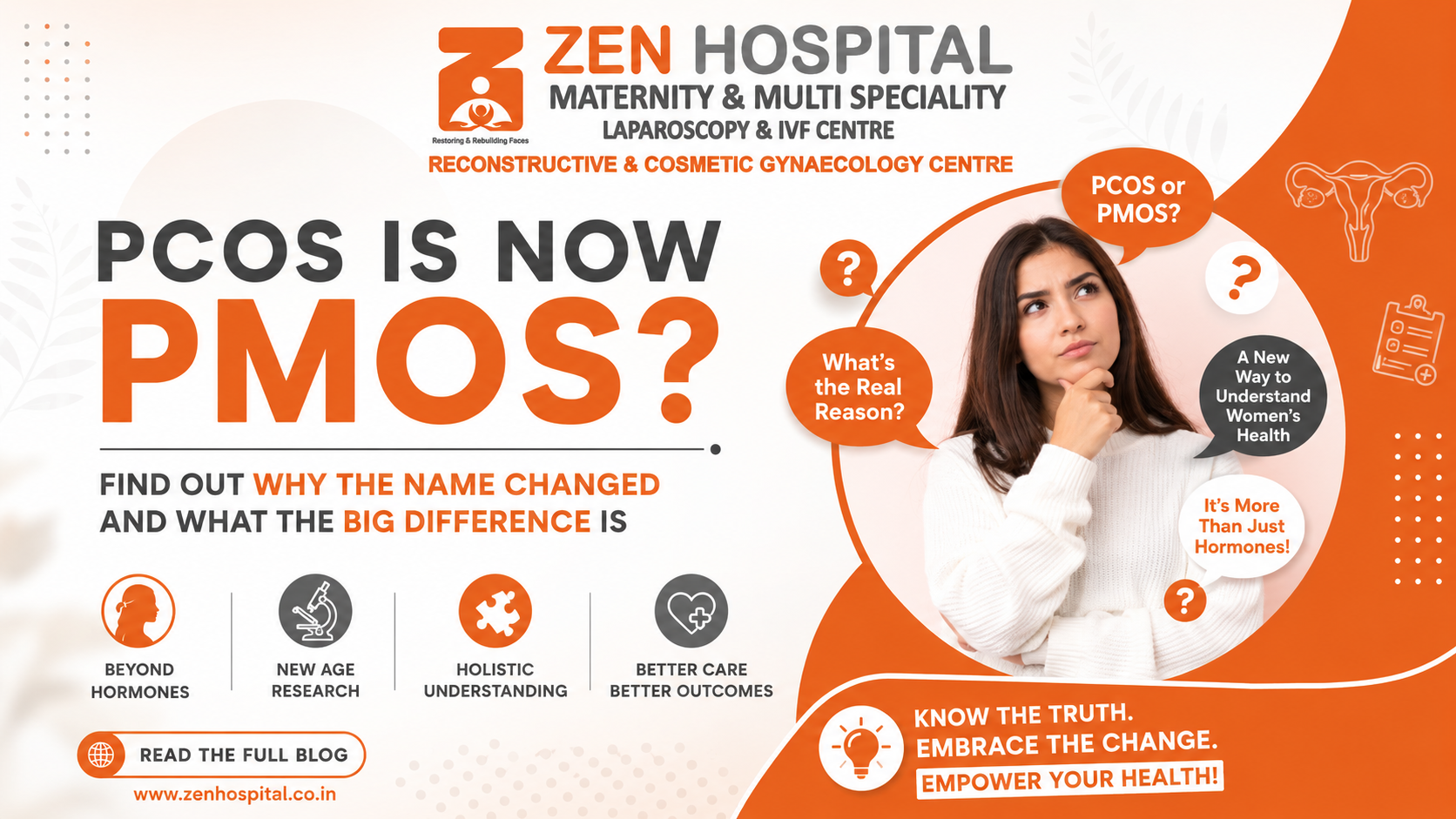
PCOS Is Now PMOS? Find Out Why the Name Changed and What the Big Difference Is
For years, PCOS (Polycystic Ovary Syndrome) has been recognized as one of the most common hormonal disorders affecting women worldwide. From irregular periods and weight gain to infertility and acne, PCOS impacts millions of women physically and emotionally.
Recently, many people have started hearing a new term — PMOS — creating confusion among women trying to understand their health conditions. Is PMOS a completely new disease? Has PCOS officially changed its name? And most importantly, what is the difference between PMOS and PCOS?
Let’s understand everything in simple and easy language.
What Is PCOS?
PCOS (Polycystic Ovary Syndrome) is a hormonal imbalance that affects women during their reproductive years. In this condition, the ovaries produce higher-than-normal levels of male hormones called androgens. This hormonal imbalance can interfere with ovulation and menstrual cycles.
Common Symptoms of PCOS
- Irregular or missed periods
- Weight gain, especially around the abdomen
- Excess facial or body hair
- Acne and oily skin
- Hair thinning or hair fall
- Difficulty getting pregnant
- Mood swings and fatigue
PCOS is also linked with:
- Insulin resistance
- Diabetes
- Thyroid disorders
- Increased risk of heart disease if left untreated
What Is PMOS?
The term PMOS is increasingly being used in discussions around women’s hormonal health. Many experts and health educators use PMOS to describe the modern metabolic and lifestyle-related form of PCOS seen in today’s generation.
While PMOS is not yet an officially recognized medical diagnosis worldwide, the term highlights how modern lifestyle habits are making hormonal disorders more common and more complicated.
Why Are People Calling PCOS “PMOS”?
The discussion around the name change comes from the understanding that today’s hormonal problems are not limited to the ovaries alone. Modern women are facing:
- Increased stress
- Poor sleep
- Sedentary lifestyle
- Fast food consumption
- Obesity and insulin resistance
- Screen addiction and lack of physical activity
Because of this, many specialists believe the condition now affects the entire metabolic system, not just the ovaries. That is why some people refer to it as PMOS (Poly Metabolic Ovarian Syndrome) — a metabolism-focused version of PCOS.
PCOS vs PMOS: What Is the Difference?
| PCOS | PMOS |
|---|---|
| Primarily focused on ovarian dysfunction | Focuses on metabolic and lifestyle-related hormonal imbalance |
| Symptoms mainly linked to periods and fertility | Includes broader metabolic issues like obesity and insulin resistance |
| Traditional medical term | Modern awareness term used by some experts |
| Ovarian cysts may be present | Metabolic syndrome signs are more prominent |
| Hormonal imbalance centered around androgens | Hormonal + metabolic imbalance combined |
In Simple Words:
PMOS is often described as the “modern lifestyle version” of PCOS.
Why Is PCOS Increasing So Rapidly?
Today, PCOS cases are rising even among teenagers and young women. Several lifestyle factors are believed to contribute to this increase.
1. Unhealthy Diet
High sugar intake, processed food, junk food, and sugary drinks can worsen insulin resistance and hormonal imbalance.
2. Lack of Exercise
A sedentary lifestyle slows metabolism and increases weight gain, which is strongly connected to PCOS symptoms.
3. Stress and Mental Health
Chronic stress increases cortisol levels, which can disturb hormone balance and menstrual cycles.
4. Poor Sleep Patterns
Late-night screen use and irregular sleeping habits affect reproductive hormones and insulin sensitivity.
5. Obesity and Insulin Resistance
Many women with PCOS also struggle with insulin resistance, making weight loss more difficult and symptoms more severe.
Can PMOS or PCOS Affect Fertility?
Yes. Both PCOS and PMOS can affect ovulation, making it difficult for some women to conceive naturally. However, early diagnosis and proper treatment can significantly improve fertility outcomes.
Treatment Options May Include:
- Lifestyle modifications
- Weight management
- Hormonal medications
- Ovulation induction treatment
- IVF or fertility treatment in severe cases
The good news is that many women with PCOS successfully become mothers with proper medical guidance.
How Is PCOS or PMOS Diagnosed?
Doctors usually diagnose the condition based on:
- Menstrual history
- Symptoms
- Hormone blood tests
- Ultrasound examination
- Insulin resistance assessment
Early diagnosis is important because untreated hormonal imbalance can lead to long-term complications.
How Can Women Manage PCOS or PMOS Naturally?
Although medical treatment is important, lifestyle changes play a huge role in managing symptoms.
Helpful Lifestyle Tips
✔ Eat a balanced, low-sugar diet
✔ Exercise regularly
✔ Maintain healthy body weight
✔ Sleep for 7–8 hours daily
✔ Reduce stress through yoga or meditation
✔ Avoid smoking and excessive alcohol
Even small daily improvements can help regulate hormones naturally.